In the crowded landscape of messaging and calling apps, imo HD has quietly amassed a staggering user base of over 200 million people across more than 170 countries and regions. While WhatsApp and Telegram dominate headlines in Western markets, imo has carved out a significant niche in regions like South Asia, the Middle East, and parts of Eastern Europe. This article takes a detailed look at what imo HD offers, where it excels, and the practical considerations you should weigh before adding it to your digital toolkit.
What Exactly Is imo HD?
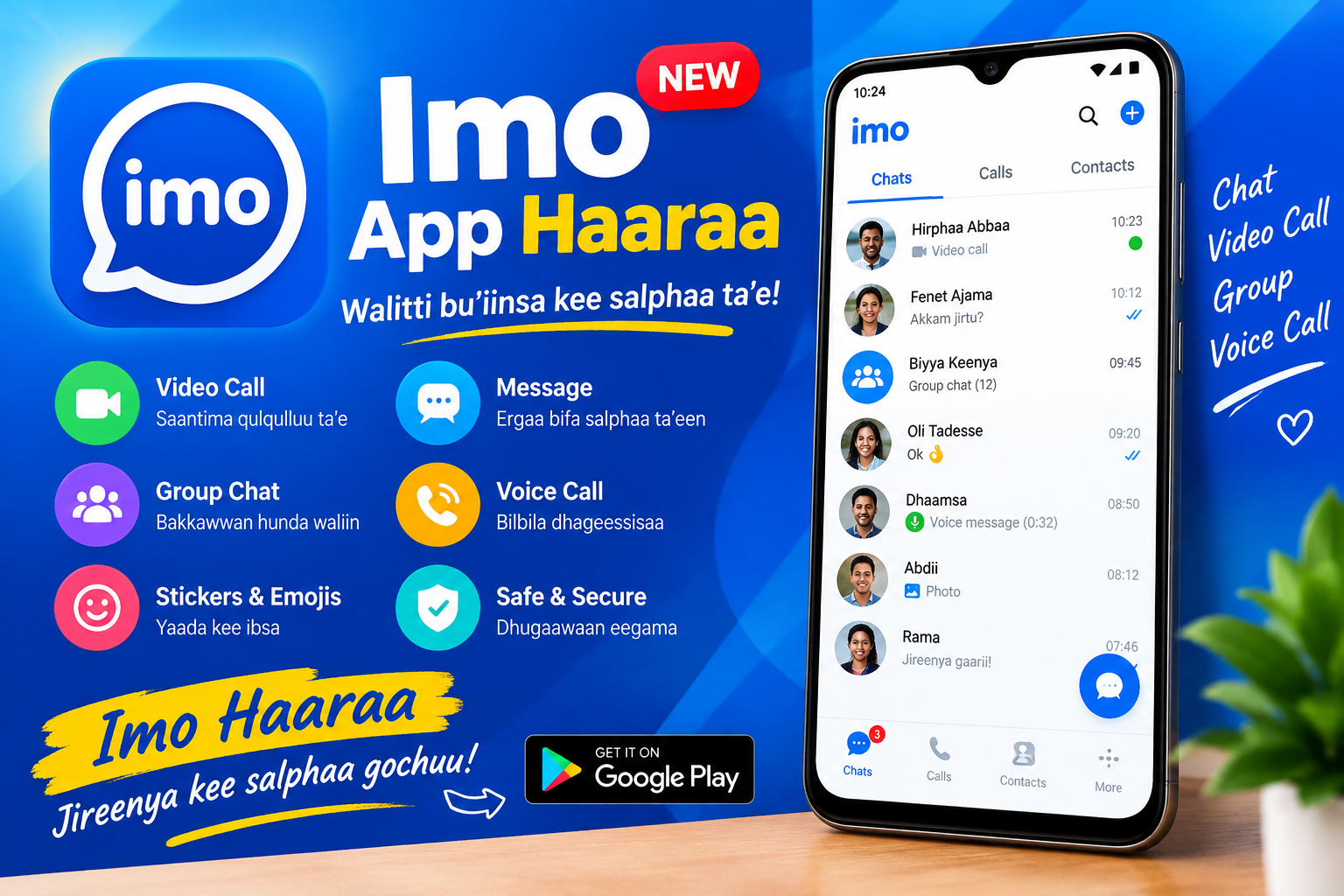
imo HD is a free international calling, messaging, and chatting application developed by Pagebites, Inc., a company based in Palo Alto, California. The app positions itself as a simpler, more accessible alternative for people who need reliable cross-border communication without the baggage of subscription fees or complex setup processes. It supports 62 languages, making it genuinely accessible to users who may not be comfortable with English-dominant interfaces. The app has surpassed 100 million installs on Google Play and maintains a rating in the 4.2 to 4.4 range, which, while not perfect, reflects broad satisfaction among its user base.
Core Features That Define the Experience
Free HD Video and Voice Calls
The headline feature is straightforward: free, high-definition video and voice calls over Wi-Fi or mobile data (2G through 5G). imo claims over 300 million free video calls are made through the platform daily. In practice, this means you can maintain regular contact with family and friends abroad without worrying about per-minute charges or subscription fees. The app also supports group video chats, positioning it as a viable option for small gatherings or family catch-ups.
Reliable Performance on Weak Networks
One area where imo has earned praise is its ability to function in challenging network conditions. A 2025 comparison of video call quality placed imo as a "go-anywhere" solution for poor connectivity, contrasting it with Telegram's "studio-quality" performance that demands strong internet. For users in areas with unstable mobile data, this resilience can be the difference between a dropped call and a meaningful conversation.
Messaging and File Sharing
The messaging suite covers the essentials: text, voice notes, photos, videos, and document types including .DOC, .MP3, .ZIP, and .PDF. A notable convenience is imo Cloud, which syncs message history and files to free up local phone storage—a thoughtful touch for users with limited device space. Files are transferred in their original quality, which matters when you're sharing important documents or high-resolution photos.
Privacy and Security: What You Should Know
imo HD advertises a robust privacy toolkit. The app employs end-to-end encryption for messages and file transfers, alongside features like:
- Time Machine: Erase sent messages from both sides
- Disappearing Messages: Set timers for automatic message deletion
- Privacy Chat: Blocks screenshots, copying, sharing, and downloads
- Screen Shield: Additional protection against visual snooping
However, independent analysis reveals a more nuanced picture. The Exodus Privacy report identifies 12 to 13 trackers embedded in the application, primarily for advertising, identification, profiling, and analytics. The app requests an extensive list of permissions—88 in total—including background location access, read/write contacts, call log access, and the ability to install packages from other sources. While some of these permissions are justifiable for core functionality, the breadth of data collection is worth noting for privacy-conscious users.
User Sentiment: Praise and Frustrations
The app's average rating hovers around 4.2 to 4.4 stars across various tracking platforms, but this aggregate masks significant recurring complaints. A review of user feedback across multiple regions reveals a consistent pattern:
What users appreciate:
- Reliable call quality in low-bandwidth environments
- The absence of call and message fees
- Simple, approachable interface for less tech-savvy users
What users criticize:
- Aggressive advertising: This is the single most common complaint. Users across Russian, English, and other language reviews describe ads as intrusive, data-draining, and disruptive to the user experience.
- Connection instability: Multiple reports mention difficulties with mobile data connections, requiring Wi-Fi for reliable use.
- Registration and account issues: Some users struggle with account recovery and registration processes.
- Feature inconsistencies: Notification badge behavior, message delivery indicators, and voice message functionality have drawn criticism for being inconsistent or unintuitive.
The Data Question: What the Reviews Reveal
The gap between imo's "secure and private" marketing and the reality of its data practices deserves closer examination. While the app provides genuine encryption features for message content, the presence of numerous tracking libraries suggests that metadata—information about your usage patterns, device, and behavior—is being collected and potentially shared with advertising partners. The Google Play listing states that the app does not share data with third parties, but the tracker analysis complicates this claim. For users for whom privacy is paramount, this is a material concern that warrants careful consideration.
Who Should Consider imo HD?
imo HD makes the most sense for specific use cases:
- Users in regions with unreliable internet infrastructure who need a calling app that performs well on weak connections
- People communicating across borders who want to avoid international calling charges entirely
- Users who value simplicity over the richer feature sets of apps like Telegram or Signal
- Communities where imo is already the norm, such as certain South Asian and Middle Eastern networks
It is less suitable for users who prioritize privacy above all else, who find advertisements intolerable, or who require advanced features like channels, bots, or extensive customization options.
Final Thoughts: A Pragmatic Choice with Trade-offs
imo HD occupies an interesting position in the communication app ecosystem. It is not trying to out-feature WhatsApp or out-privacy Signal. Instead, it offers a free, accessible, and resilient platform for global communication—and in that mission, it largely succeeds. The trade-off is clear: you get reliable calling and messaging without fees, but you pay with your attention (through ads) and, to some degree, with your data. Whether that exchange is acceptable depends entirely on your priorities. For millions of users worldwide, it evidently is.